Skip to content
LV / Vault Back to discovery

For content creators

A source-led writing workflow, a careful video workflow, and selected resources for making and publishing clear work.

  • 2 workflows
  • 20 references
  • Research · Writing · Video
Practical workflows

Start with the work

Each workflow defines the starting point, steps, completion test, and the specific role of every linked resource.

Turn research into an article

Build a draft whose claims can be traced to the material behind them.

Starting point
You have a specific reader question and access to relevant source material.
What you need
Required: sources you can consult and a document for drafting. AI assistance is optional; keep private material out of tools you have not evaluated.

Steps

  1. Define the question and its boundary

    Write what the reader should understand or decide after reading. List what the article will not attempt to establish, and separate a factual question from an opinion.

  2. Create a source and claim table

    Record the source URL, author or organization, publication date, relevant passage, and the claim it supports. Prefer original documents where possible. Mark conflicting accounts and information whose date matters.

  3. Outline an answer before drafting

    Arrange a clear answer, supporting evidence, and necessary qualifications. Draft from that outline in your own words. If using an AI summary, open the cited source and check that it supports the claim.

  4. Review claims and readability separately

    First check every factual claim, date, quotation, and link. Then remove repetition and explain unfamiliar terms. Label interpretation as interpretation. Preserve unresolved uncertainty instead of smoothing it into certainty.

The role of each resource

These are options for a specific role; you do not need to adopt all of them.

When it is done

A readable draft answers the chosen question, links its evidence, and distinguishes facts, interpretation, and unknowns.

Teaching example

A claim that needs a narrower label

Fictional teaching example, not a claim about any named product.

Draft claimAvailable evidenceRevision
“This tool works offline.”The documentation describes offline editing, but says synchronization needs a connection.“It supports offline editing; synchronization requires a connection.” Add the source and date.

A source often supports a smaller claim than the first draft makes.

Checklist and template

Turn research into an article

[ ] Write the reader’s question.
[ ] Record sources and the claims they support.
[ ] Draft from an evidence-led outline.
[ ] Check claims, links, quotations, and dates.
[ ] Revise for clarity and label uncertainty.

Reader / question:
Scope:

Claim:
Source / author / date:
Supporting passage or observation:
Limitation / conflicting evidence:

Outline: answer / evidence / qualification
Draft link:
Facts checked:
Unresolved points:
Next review:

Publish a video and supporting clips

Plan one main recording, then make useful excerpts without losing their context.

Starting point
You know the viewer’s question and the main point of the video.
What you need
Required: an existing camera or screen recorder, an editor, and permission to use the material. A phone and your current editor can be enough.

Steps

  1. Outline the main video and likely excerpts

    Write the opening question, the explanation, and the closing action. Mark a few ideas that could stand alone as clips. Identify any source, guest permission, or demonstration you need before recording.

  2. Record a short technical check

    Listen to the audio, check framing and legibility, and confirm where the file is saved. Then record the main piece. Keep the original recording so a later correction does not depend on an exported clip.

  3. Finish the main explanation first

    Choose one editor. Remove repetition and check names, captions, and factual claims. Keep relevant qualifications. Watch the exported file before making the supporting clips.

  4. Prepare clips and publish with context

    Give each excerpt enough context to make sense alone. Check captions within the final frame and use a truthful title and thumbnail. Publish or schedule through the destination platform or an existing scheduling tool, then check the live links.

The role of each resource

These are options for a specific role; you do not need to adopt all of them.

When it is done

The main video and chosen clips have reviewed exports, accurate captions, clear context, and checked publication links.

Teaching example

An excerpt that keeps its qualification

Fictional editing example.

ExcerptRiskEdit
A speaker recommends a simple setup, then names a situation where it fails.Cutting before the qualification turns a limited recommendation into a universal one.Keep the qualification or state the scope clearly within the clip.

Shortening a recording should preserve the meaning of what was said.

Checklist and template

Publish a video and supporting clips

[ ] Outline the explanation and needed permissions.
[ ] Check a short recording before the full take.
[ ] Review the main export and factual claims.
[ ] Check each clip independently, including captions.
[ ] Verify published links and retain source files.

Viewer question:
Main point / closing action:
Sources / permissions:
Recording and backup location:
Main export reviewed:

Clip / source timecodes:
Context needed:
Captions / frame checked:
Title / thumbnail:
Destination / publication link:
Correction or follow-up:
Using the folder

Creators

This folder follows the work from source to published piece. It favors traceable claims, reviewed exports, and formats that preserve context when an article or recording is shortened.

What it helps improve

  • Connect factual claims to inspectable sources.
  • Review the complete piece before preparing excerpts.
  • Preserve context, permissions, and correction paths.

Where to start

Start with the output you need to finish this week. Use one workflow as the checklist, then choose one editor or research tool for the role it needs to perform.

Selected references

Resources in this folder

These references are here because they have a defined role in the workflows above. Browse by format when you already know which part of the work you need to solve.

Tools 08

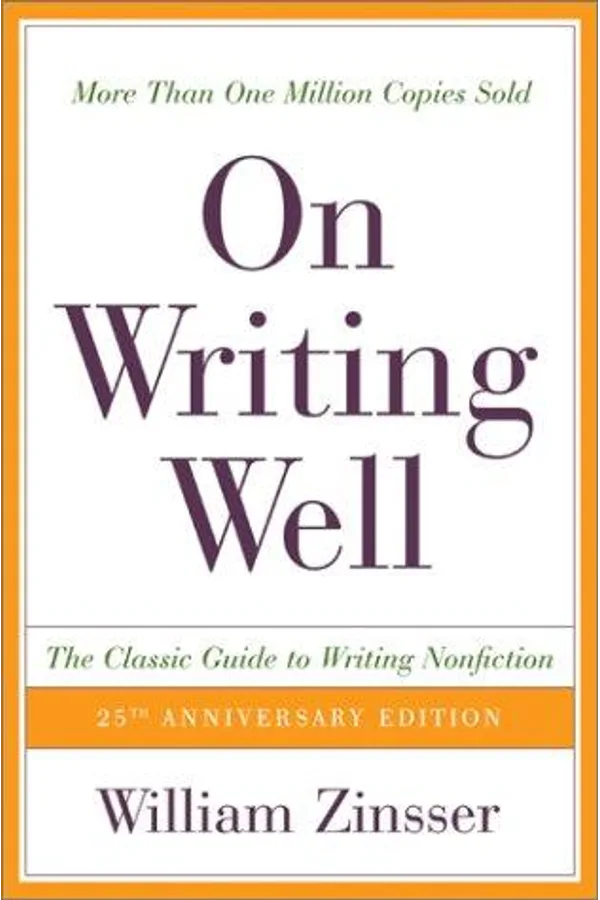
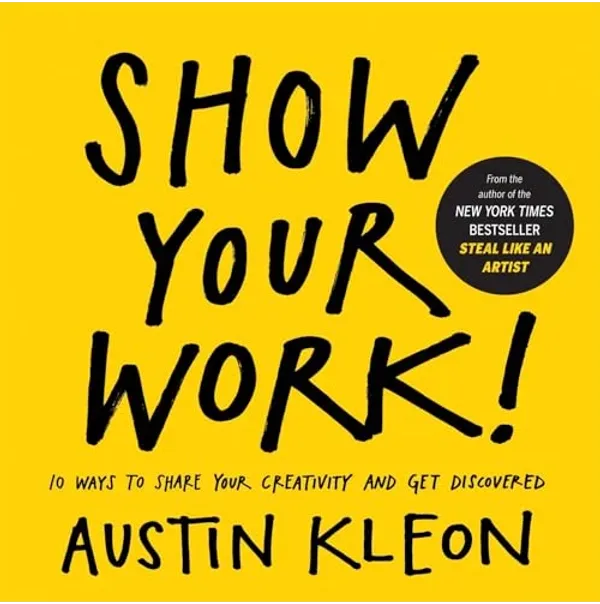
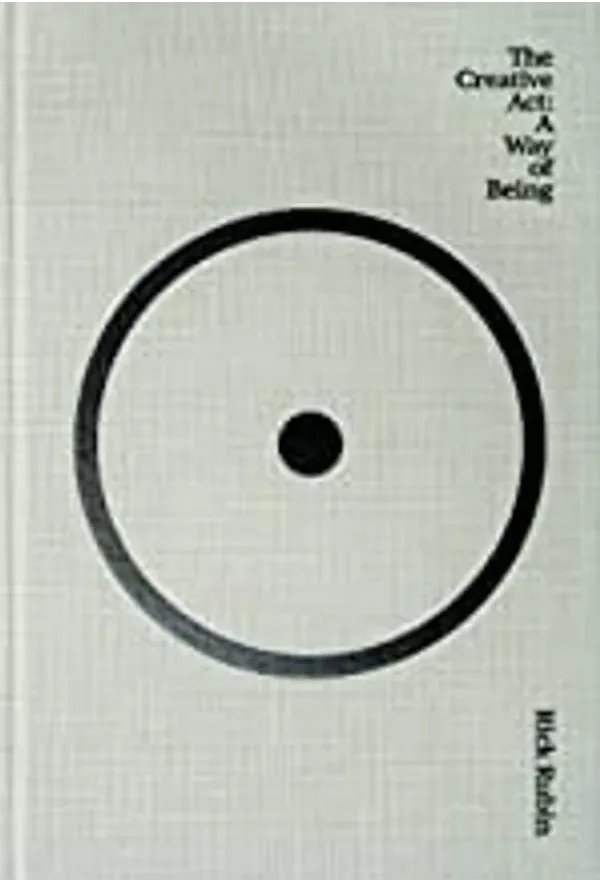
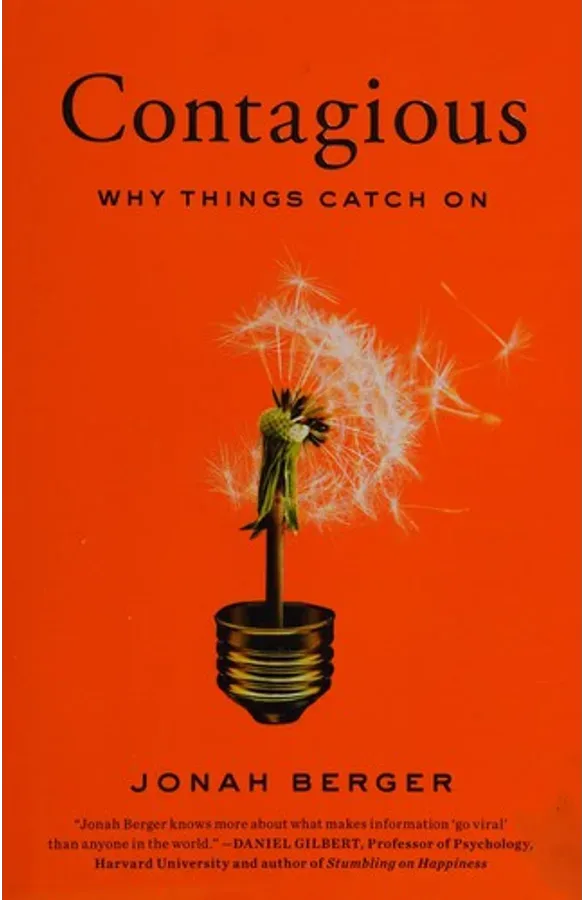
Books 09

Podcasts 03

Back to Vault discovery