My take
Creativity is not about making things, it's about noticing things. The artist's job is to pay attention, then get out of the way.
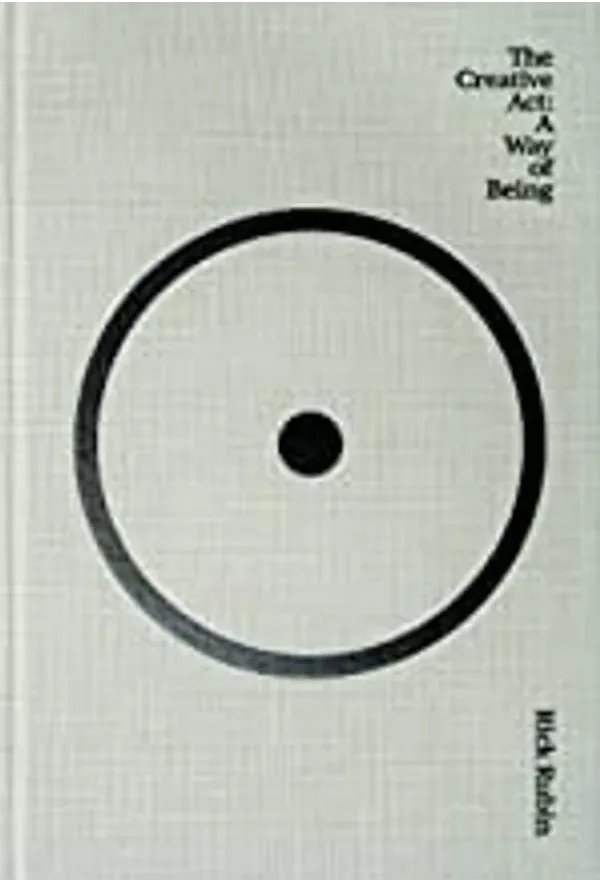
What is The Creative Act about?
Creativity is not a rare gift, it's a fundamental human trait that gets buried under noise, judgment, and routine. The creative act is about recovering that natural way of seeing.
Who should read The Creative Act?
Anyone who makes things, creators, writers, builders, designers, and wants to deepen their relationship with the work itself.
Key ideas from The Creative Act
- The source is always available, you just have to listen
- Finish things, completion is its own form of creativity
- Constraints are not obstacles, they are the shape of the work.
Is The Creative Act worth reading?
One of the few modern books on creativity worth reading slowly, it's about presence and attention, not hacks and productivity.
Best for
Creators who have the skills but keep meeting resistance, perfectionism, or comparison, and builders who deny they are creative at all.
Not ideal for
Anyone wanting craft instruction, harmony, structure, or editing get no chapters; this is the inner game only.
What materially matters
- Seventy-eight standalone 'areas of thought', designed for rereading, not finishing.
- The cloud-versus-river frame: source creativity versus craft refinement, both required.
- Presence practices: noticing, silence, and attention as the raw material of art.
Practical use cases
- One chapter before a making session, a two-minute attention reset.
- Gift to the self-described 'not creative' teammate or partner.
Pros
- Object-based design, a physical book worth owning in paper.
- Includes the non-artist: every reader is treated as practicing creativity already.
Limitations
- Aphoristic register tips into vagueness for readers wanting scaffolding.
- No craft content, pairs poorly as a first creativity book; read it second.
The Creative Act FAQ
Is it only for musicians?
No, Rubin avoids technique entirely; the entries apply to any creative act, including business decisions.
Do I need to know who Rubin is?
No, the book is deliberately persona-free; zero industry anecdotes required.