My take
The Golden Circle (Why → How → What) reframed how I think about content, brand, and leadership. People do not buy what you do, they buy why you do it.
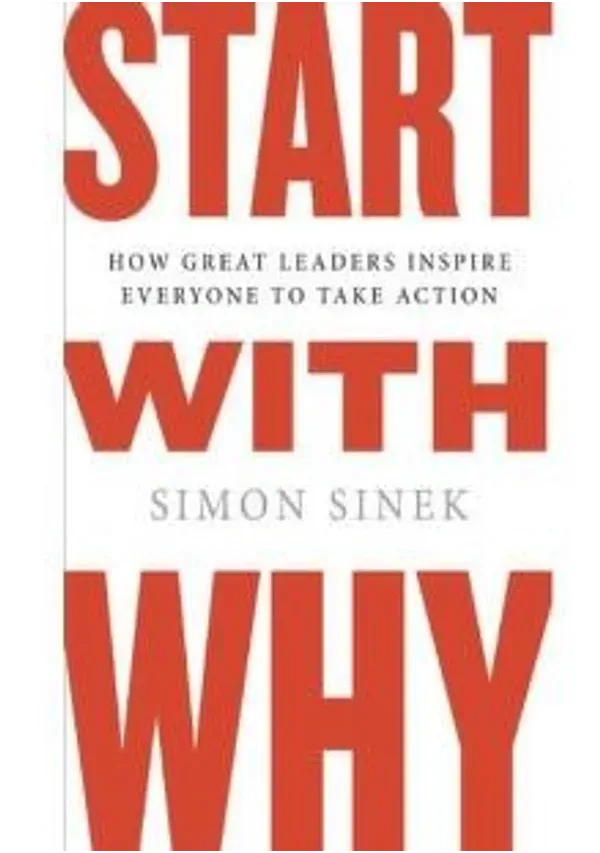
What is Start with Why: How Great Leaders Inspire Everyone to Take Action about?
Great leaders and organizations all think, act, and communicate from the inside out, starting with Why.
Who should read Start with Why: How Great Leaders Inspire Everyone to Take Action?
Founders, creators, and team leads who want to build something people believe in, not just buy.
Key ideas from Start with Why: How Great Leaders Inspire Everyone to Take Action
- The Golden Circle starts with Why
- People buy why you do it, not what
- Loyalty comes from belief, not manipulation
- Consistency of Why is what builds trust.
Is Start with Why: How Great Leaders Inspire Everyone to Take Action worth reading?
The single most useful framework for positioning, content, and team alignment, works for a 1-person brand or a 10,000-person company.
Best for
Founders defining a brand or creator deciding what their work stands for, anyone who needs a north star before tactics.
Not ideal for
Operators wanting execution frameworks, the book deliberately stays at altitude and offers almost nothing operational.
What materially matters
- The Golden Circle: why, how, what, and why most communication runs it backwards.
- The biology argument: why speaks to the limbic brain where decisions actually happen.
- The law of diffusion, innovators, early majority, laggards, applied to how belief spreads.
Practical use cases
- Write your why statement and test it against the last ten things you shipped.
- Restructure an About page or pitch deck to lead with why, then how, then what.
Pros
- A memorable mental model that fits in one sentence and changes how you write everything.
- Strong on alignment: the why becomes a filter for hiring, partnerships, and what to build next.
Limitations
- Heavy repetition and selective Apple/TiVo storytelling; the evidence is narrative, not rigorous.
- Purpose-washing risk: easy to bolt a why onto a business whose actions contradict it.
Start with Why: How Great Leaders Inspire Everyone to Take Action FAQ
Is the TED talk enough instead of the book?
The talk covers the model; the book covers living it, mission drift, hiring, and staying consistent when growth tempts you off-course.
Does this work for a personal brand, not a company?
Arguably better, an individual's why is easier to keep honest than a corporation's.
Continue · Strategy