My take
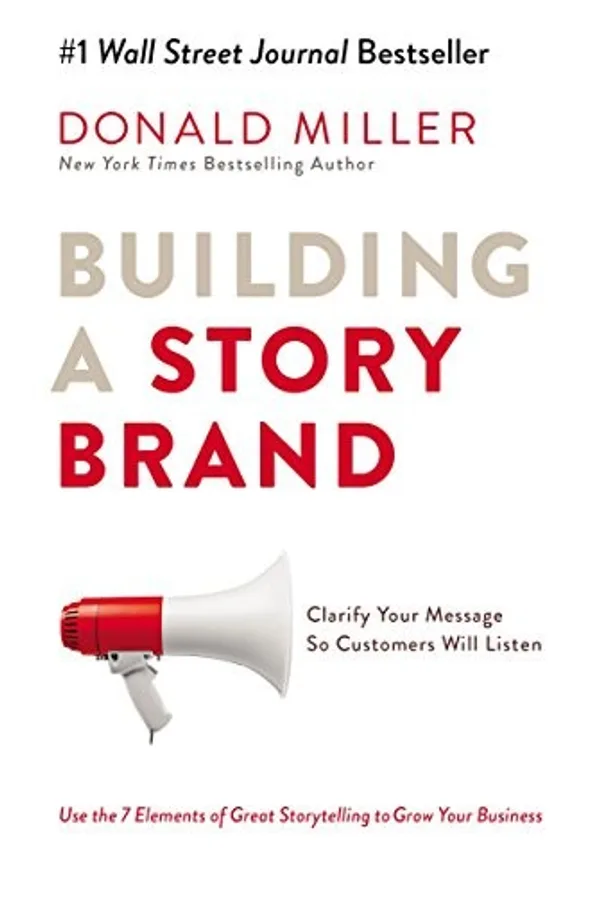
If you confuse, you lose. Every brand message that works follows the same structure: a character who wants something encounters a problem, meets a guide, receives a plan, and is called to action.
What is Building a StoryBrand about?
Customers don't buy the best products, they buy the products they can understand the fastest. The StoryBrand framework applies narrative structure to marketing so your message is instantly clear.
Who should read Building a StoryBrand?
Founders, creators, and marketers who need their website, pitch, or content to convert, not just look good.
Key ideas from Building a StoryBrand
- Your customer is the hero, not your brand
- If you confuse, you lose
- Every message needs a clear problem, guide, plan, and call to action.
Is Building a StoryBrand worth reading?
Probably the highest-ROI marketing book, directly applicable to websites, content, and positioning from day one.
Best for
Solo founders, freelancers, and small teams whose product is good but whose message is mush, and who must fix it themselves.
Not ideal for
Brands past product-market fit needing brand strategy, research, or multi-segment architecture, SB7 is clarity, not depth.
What materially matters
- The SB7 story loop: character, problem, guide, plan, action, failure, success.
- The villain-first messaging rule: name the external, internal, and philosophical problem your customer fights.
- A one-liner formula, problem, solution, result, that fits in a bio and a call.
Practical use cases
- Rewrite a homepage in one sitting: hero, stakes, guide, plan, evidence, CTA.
- Compress your pitch into a one-liner and test it on strangers before investing in design.
Pros
- Zero theory-only chapters, every section ends in copy you can write today.
- The website wireframe section alone replaces a landing-page course.
Limitations
- Formula risk: SB7 sites can feel interchangeable if you apply it literally.
- Skews to service businesses and startups; product-led and enterprise messaging need more layers.
Building a StoryBrand FAQ
Is the framework just for websites?
No, the story loop works for pitches, About pages, outreach emails, and even product onboarding copy.
Do I need the BrandScript workbook too?
No, the book contains the exercises; the paid ecosystem is optional.
Continue · Strategy