My take
Doing well with money has a little to do with how smart you are and a lot to do with how you behave, and behavior is hard to teach, even to brilliant people.
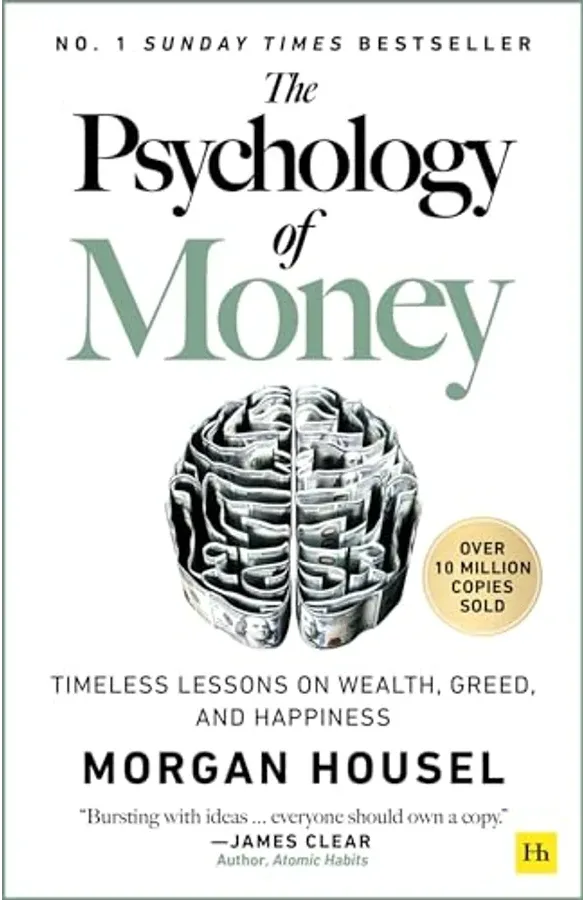
What is The Psychology of Money about?
Financial success is not about what you know, it's about how you behave. History's best investors and worst failures share the same data; what differs is behavior under pressure.
Who should read The Psychology of Money?
Anyone earning, investing, or spending money, which is everyone navigating the creator economy.
Key ideas from The Psychology of Money
- Wealth is what you don't see
- Risk is what you didn't plan for
- Compounding is the most powerful force if you just stay in the game.
Is The Psychology of Money worth reading?
Bridges the gap between knowing about money and actually making smart decisions with it, accessible, behavioral, and immediately applicable.
Best for
Builders, freelancers, and investors whose income is volatile and whose decisions are made under uncertainty, which is everyone.
Not ideal for
Anyone seeking technical portfolio construction, asset allocation, or tax strategy, this is the psychology layer, not the mechanics layer.
What materially matters
- Nineteen standalone stories, each a complete behavioral lesson you can use the same day.
- 'Room for error' as the core planning principle: plan on your plan not going according to plan.
- The tails-that-drive-everything argument: most outcomes come from rare events, so patience compounds.
Practical use cases
- Set personal financial rules, savings rate, buffer, 'enough', before income becomes volatile.
- Stop judging decisions by their outcomes: separate the quality of a bet from the result of a single flip.
Pros
- Readable in a single sitting, quotable for years, the conclusions survive different market regimes.
- No jargon: accessible to a partner or teammate who doesn't touch finance.
Limitations
- US-centric anecdotes; the psychology transfers, some of the context doesn't.
- If you follow Housel's columns, some stories repeat from his essays.
The Psychology of Money FAQ
Is this an investing book?
It is about the psychology underneath investing decisions, you'll pick no stocks here, but you'll stop sabotaging the ones you hold.
Do the lessons age with market cycles?
Behavioral lessons age slower than market advice; the 2020 edition reads the same in any decade.
Continue · Strategy