My take
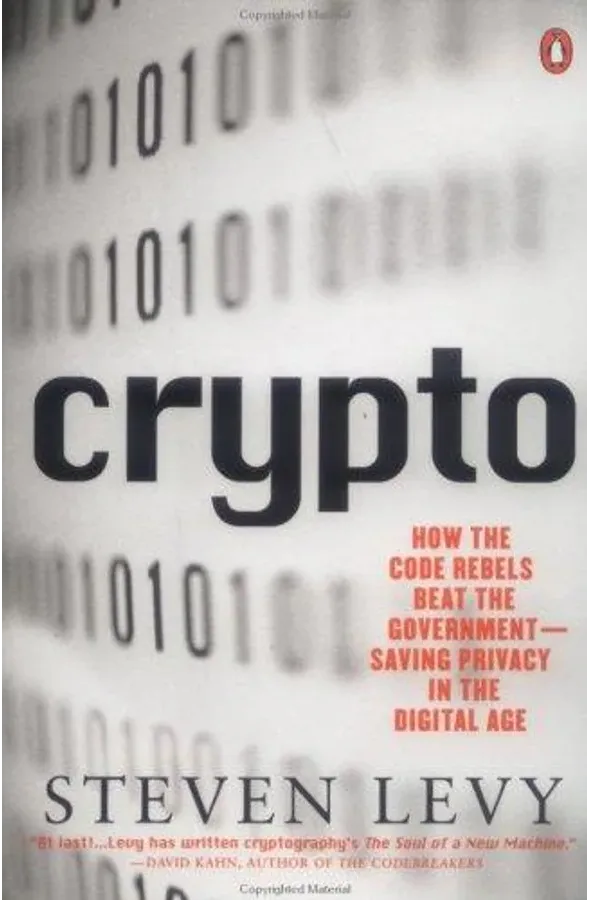
This is the crypto before the asset class borrowed the word: Whit Diffie, the cypherpunks, and the fight for the right to encrypt. Essential context most Web3 natives never learned.
What is Crypto about?
Modern digital privacy was won by a decades-long fight between cryptographers and governments, the battle over encryption shaped everything that followed, including Bitcoin.
Who should read Crypto?
Web3 builders, privacy advocates, and tech-history readers who want the origin story behind encryption in daily life.
Key ideas from Crypto
- Strong encryption for everyone was once radical
- The cypherpunk movement grew from mailing lists into law and code
- The crypto wars ended in a partial victory that enabled e-commerce and later crypto
- Code-as-speech had real legal stakes
- Today's privacy tools stand on hard-won ground.
Is Crypto worth reading?
The history of encryption and the crypto wars, distinct from cryptocurrency investing, the pre-history every Bitcoin and privacy-tech narrative assumes.
Best for
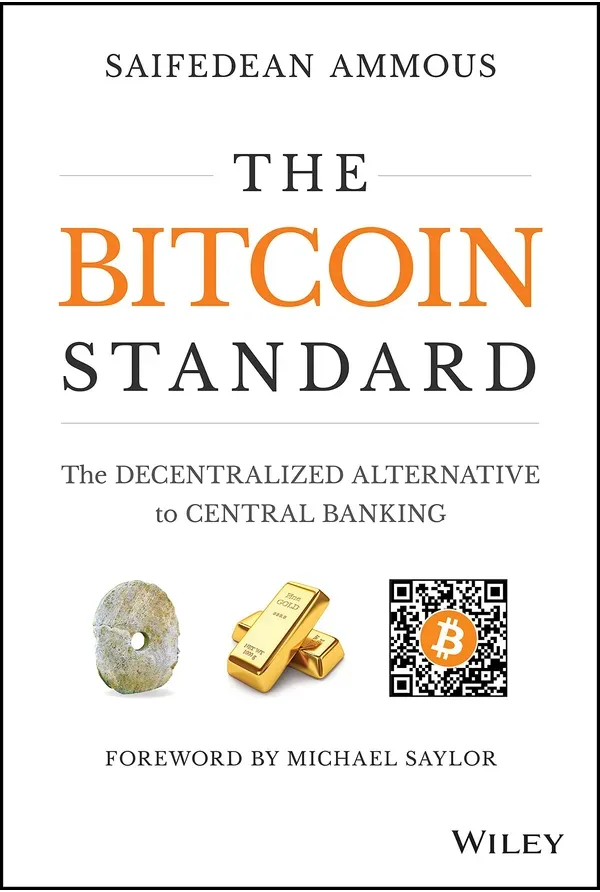
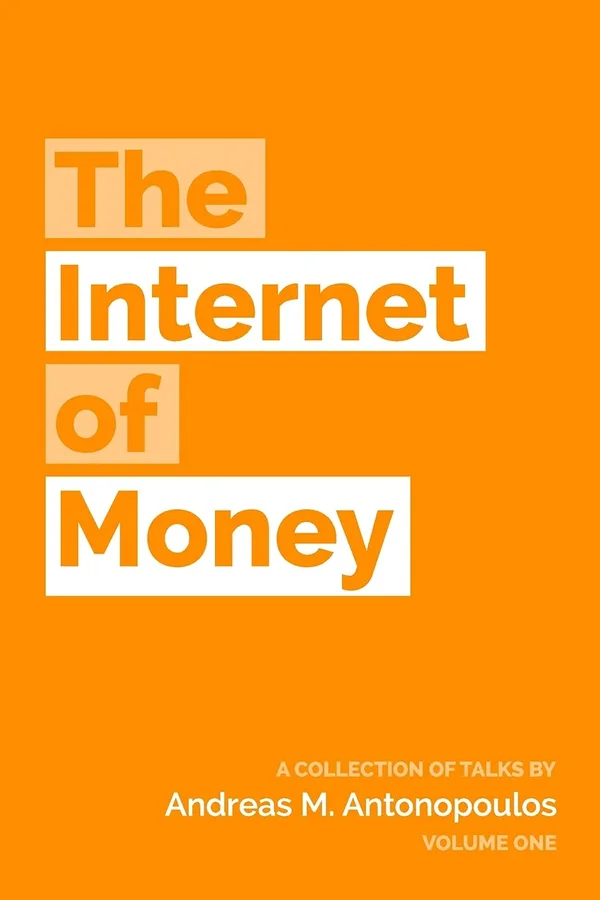
Readers of The Bitcoin Standard or The Internet of Money who want the human, pre-Bitcoin backstory.
Not ideal for
Readers seeking crypto-asset investing content, the title predates that usage by a decade.
What materially matters
- A narrative arc from Whit Diffie through the cipher wars to the 2000 deregulation.
- Portraits of the cypherpunk figures: Diffie, Zimmermann, Rivest, Shamir, Adleman.
- The legal battles over code as munitions and code as speech.
Practical use cases
- Read before or after The Bitcoin Standard to connect the privacy movement to sound-money narratives.
- Mine it for the cypherpunk ethos that shaped today's protocol culture.
Pros
- Journalistic narrative that makes cryptography history gripping.
- Documents a foundational era with named sources.
Limitations
- Ends in 2001, no Bitcoin or modern era.
- Technical concepts are simplified for the general reader.
Crypto FAQ
Is this book about cryptocurrency?
No, it covers cryptography and the 1990s crypto wars; it predates Bitcoin by eight years.
Is it technical?
Concepts are explained for general readers; no math background needed.
Continue · Web3