My take
Efficiency is not an abstract score. It comes from changes to specific steps, tools, materials, and systems—and each change has limits and trade-offs.
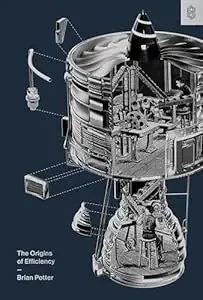
What is The Origins of Efficiency about?
Potter traces improvements in production across industries and time. By examining the processes behind goods and services, he shows how changes in speed, labor, reliability, and resource use have shaped material life.
Who should read The Origins of Efficiency?
Readers interested in manufacturing, infrastructure, engineering, economic history, and the systems behind everyday goods.
Key ideas from The Origins of Efficiency
- Break production into steps before discussing improvement
- Compare speed, cost, labor, reliability, and resource use
- Study why a process changed before copying the result elsewhere
Is The Origins of Efficiency worth reading?
Claims about productivity often skip the physical systems and trade-offs that produce it. This history helps readers ask what actually changed and whether a proposed improvement can transfer to another field.
Best for
People working in operations, manufacturing, infrastructure, engineering, and policy who want historical context for production decisions.
Not ideal for
Readers looking for a general business book about personal productivity or an introductory economics primer.
What materially matters
- Case studies across different industries
- The mechanics behind process improvements
- Links between production, technology, and living standards
Practical use cases
- Trace where time, material, or rework enters a production process.
- Compare a claimed productivity gain with changes in reliability and upkeep.
Pros
- Explains production through concrete processes and examples.
- Useful across engineering, operations, and economic history.
Limitations
- The breadth and detail make it a slower read than a quick business overview.
- Industrial examples may be less relevant to readers focused only on software.
The Origins of Efficiency FAQ
Is this about personal productivity?
No. It studies efficiency in producing goods and services, including the processes and technologies involved.
Does it focus on one industry?
No. It covers examples from manufacturing, shipping, energy, and other industries.
Continue · Strategy