My take
A bubble can fund useful experiments as well as wasteful ones. The important questions are what it makes possible, who bears the losses, and what remains after enthusiasm fades.
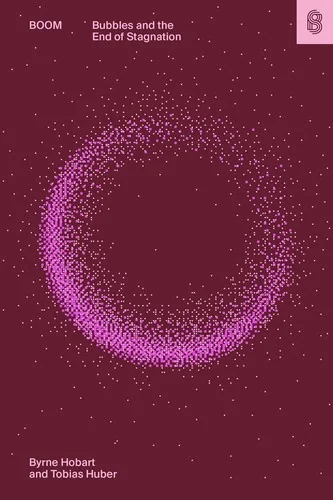
What is Boom: Bubbles and the End of Stagnation about?
Hobart and Huber compare episodes such as the Apollo program, nuclear research, and technology booms to argue that speculative periods can support unusually ambitious projects. They treat bubbles as a possible source of progress, not a guarantee of it.
Who should read Boom: Bubbles and the End of Stagnation?
Readers thinking about technology investment, innovation policy, startup funding, and the history of large projects.
Key ideas from Boom: Bubbles and the End of Stagnation
- Compare a boom’s funding with the results it leaves behind
- Look at the people and institutions able to act during a bubble
- Separate the authors’ argument from proof that every boom creates lasting value
Is Boom: Bubbles and the End of Stagnation worth reading?
The book gives readers a framework for examining high-risk periods in technology and business. Its thesis is debatable, which makes the historical comparisons useful material for scrutiny rather than a rule for investing.
Best for
People studying technology cycles, ambitious research programs, capital allocation, and the history of innovation.
Not ideal for
Readers looking for a neutral survey of economic history or practical instructions for evaluating a specific investment.
What materially matters
- Historical cases of speculative funding
- Examples from science, technology, and finance
- An argument about risk, capital, and ambitious projects
Practical use cases
- Discuss whether a proposed technology project can justify long-term funding.
- Compare what different technology booms funded and what they left behind.
Pros
- Connects economic ideas to concrete historical episodes.
- Raises useful questions about who funds work that may not pay off soon.
Limitations
- The central thesis is an argument, not a settled explanation of all bubbles.
- Readers may want additional sources to assess the selected examples.
Boom: Bubbles and the End of Stagnation FAQ
Does Boom say every bubble is good?
No. The authors argue that some bubbles can create conditions for ambitious projects; that does not make every boom productive or its costs fair.
Is it an investment guide?
No. It is a historical and economic argument, not advice for buying or selling assets.
Continue · Strategy