My take
Technology that can replicate, improve, and distribute itself is fundamentally different from anything we've built before. Containment is not about stopping progress, it's about steering it.
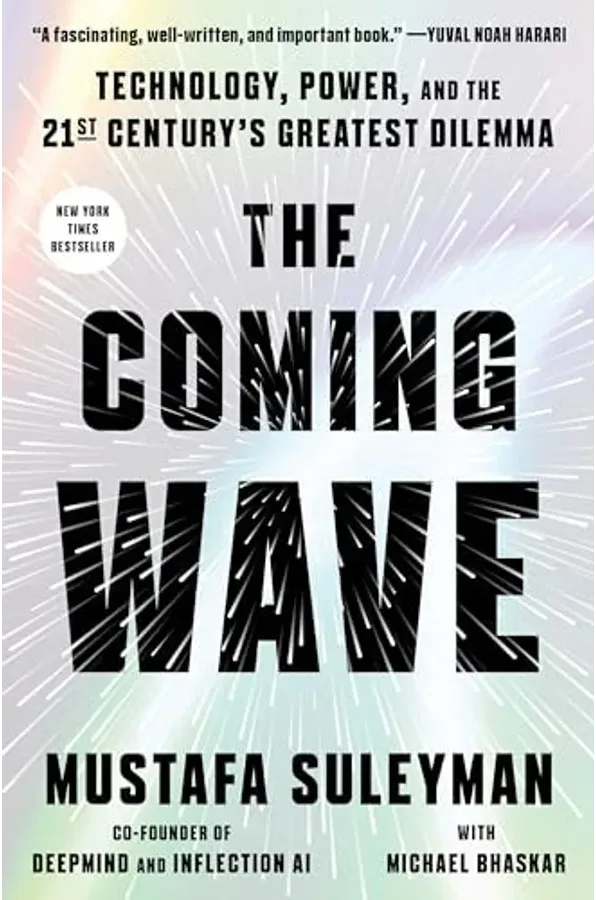
What is The Coming Wave about?
Two technologies, AI and synthetic biology, are creating a wave of exponential change. The urgent question is not whether they will transform society, but whether we can contain their risks while harnessing their benefits.
Who should read The Coming Wave?
Strategists, policymakers, and builders who need to understand the macro forces shaping the next decade.
Key ideas from The Coming Wave
- The wave is inevitable, preparation, not prevention
- Containment requires new governance at every level
- Everyone will need AI literacy, not just engineers.
Is The Coming Wave worth reading?
Written by an AI insider who understands the technology deeply, the most credible warning and roadmap from someone actually building the wave.
Best for
Builders and investors who want the geopolitical and systemic picture, what AI means for states, work, and stability over a decade, not a quarter.
Not ideal for
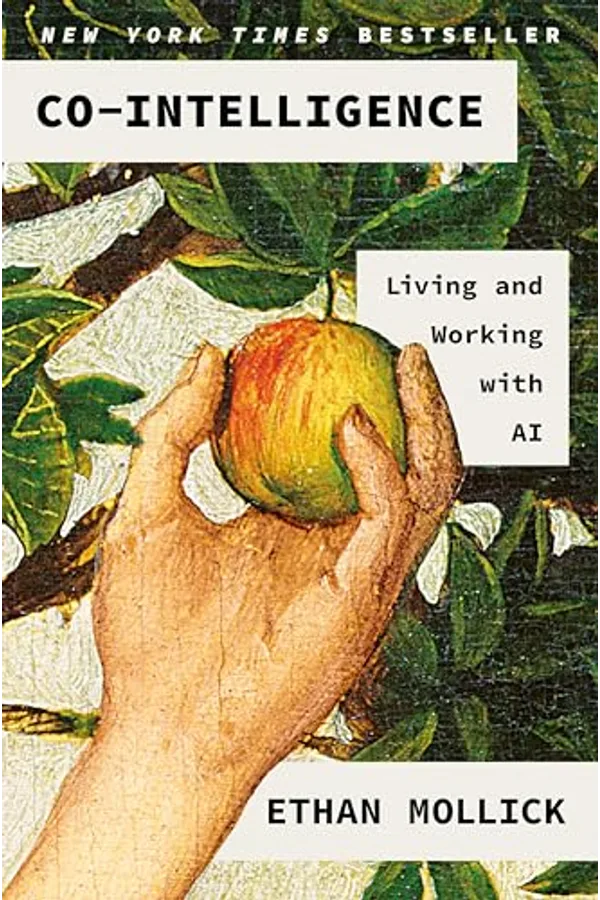
Readers wanting hands-on usage guidance (that is Co-Intelligence's job) or a reassuring take, Suleyman's conclusion is that the wave cannot simply be stopped.
What materially matters
- The wave framing: AI plus biotech as one converging, self-accelerating transformation.
- Containment as the central problem: no previous technology this powerful has ever been governed in time.
- The nation-state stress test: how AI reshapes power, work, and the social contract.
Practical use cases
- Build your AI-investment thesis on strategy, not demos, the ten-step containment program is a ready-made framework.
- Brief stakeholders and policymakers: the book is the common vocabulary the AI debate keeps missing.
Pros
- Written from inside a frontier lab, the technical credibility shows on every page.
- Historically grounded: every claim sits in the lineage of industrial revolutions and nuclear governance.
Limitations
- Long and systematic, casual readers will want the first and last thirds.
- The author's own position (lab founder advocating containment) carries an unavoidable tension he acknowledges but cannot dissolve.
The Coming Wave FAQ
Is it doom-mongering?
No, it is both more sober than the doomers and more alarmed than the boosters; the middle path is the book's actual argument.
Do I need to work in AI to read it?
No, it assumes no technical background and explains what matters without math.
Continue · AI