My take
It names the thing precisely: not data collection as side effect, but human experience as raw material. After this, if-you-are-not-paying-you-are-the-product reads like a euphemism.
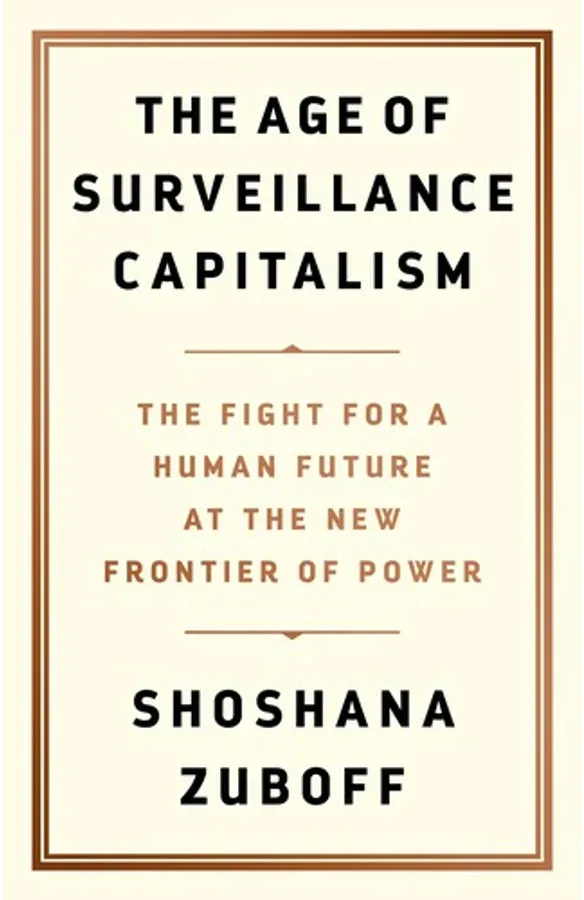
What is The Age of Surveillance Capitalism about?
A new economic order unilaterally claims human experience as free raw material for behavioral data, refines it into prediction products, and trades them in behavioral futures markets.
Who should read The Age of Surveillance Capitalism?
Builders, strategists, and policymakers who want the structural argument behind privacy concerns, not just headlines.
Key ideas from The Age of Surveillance Capitalism
- Surveillance capitalism is an economic logic, not an accident
- Behavioral surplus powers prediction products
- Instrumentarian power nudges rather than commands
- The fight is economic and legal, not just personal hygiene
- Where data concentrates, power concentrates.
Is The Age of Surveillance Capitalism worth reading?
The defining structural critique of the attention-economy business model, the deep context behind every privacy tool the vault recommends.
Best for
Readers ready for a systemic, several-hundred-page argument about tech's economic logic.
Not ideal for
Anyone wanting quick privacy tips, pair it with Privacy Is Power for action, or read its final chapters first.
What materially matters
- The behavioral-surplus and prediction-product framework.
- Instrumentarian power as a new species of power, distinct from totalitarianism.
- Case studies from Google's early days to smart homes.
Practical use cases
- Use its mechanism vocabulary to audit any business model you build or join.
- Anchor a team discussion on data ethics with its framing before writing policy.
Pros
- The most complete structural theory of the ad-tech economy.
- Meticulously researched with named mechanisms, not vague alarm.
Limitations
- Long and repetitive for a single thesis.
- Some historical claims are disputed, read it as argument, not neutral history.
The Age of Surveillance Capitalism FAQ
Is the book anti-technology?
Zuboff distinguishes digital capabilities from the economic order built on them; the target is the market form, not the tech.
Why is it controversial?
Some historians and economists challenge its periodization and Google emphasis; it remains the reference frame for the debate.