My take
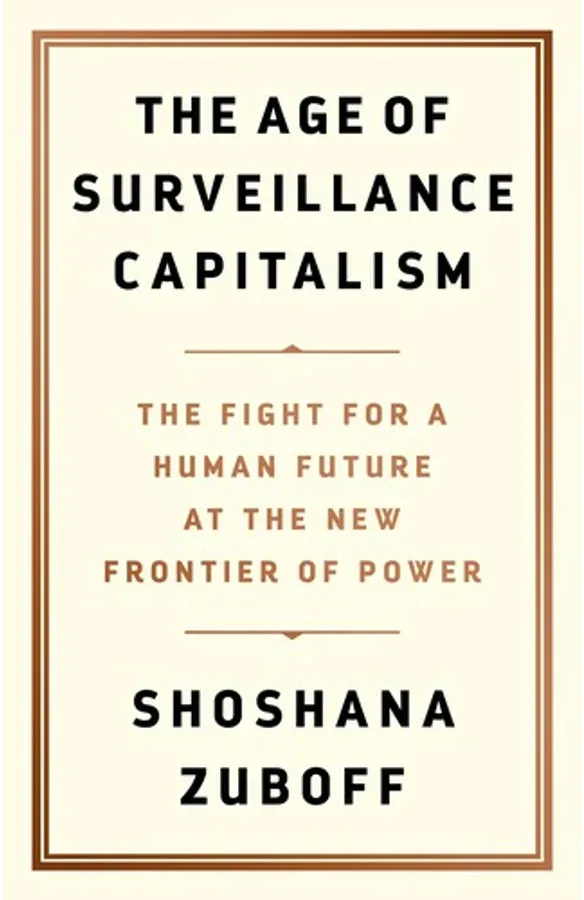
The accessible counterweight to Zuboff: same structural concern, half the pages, and an actual agenda, from data minimization to a movement.
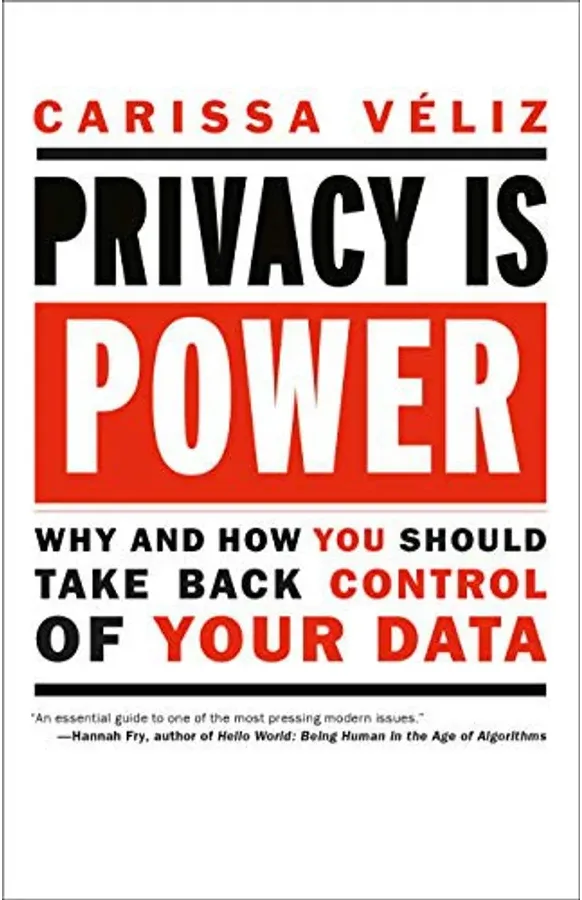
What is Privacy Is Power about?
Privacy is a form of power that concentrates when data concentrates; individuals and societies must treat data protection as a public good, not a personal chore.
Who should read Privacy Is Power?
General readers who want to understand and act on data privacy without a technical background.
Key ideas from Privacy Is Power
- Personal data is power over the person it describes
- Data minimization beats deletion after the fact
- Collective action matters more than individual hygiene
- Regulation is the real lever
- Practical steps exist at every level, devices, habits, votes.
Is Privacy Is Power worth reading?
The most accessible, action-oriented entry point to the privacy shelf, the on-ramp to Zuboff's structural critique.
Best for
Readers new to the topic; teams setting data-ethics defaults; voters who want to understand regulation.
Not ideal for
Specialists seeking new research, its contribution is synthesis and argument, not novelty.
What materially matters
- The data-is-power argument built step by step for general readers.
- A practical protection playbook: devices, apps, habits.
- A policy agenda for data minimization as the default.
Practical use cases
- Do its device-and-accounts audit on a weekend and cut data exhaust at the defaults level.
- Apply its minimization principle when designing any product that touches user data.
Pros
- Short, clear, and motivating, no technical prerequisites.
- Balances personal action with structural reform.
Limitations
- Advocacy tone, it argues a position openly.
- Some recommendations age quickly with tool churn.
Privacy Is Power FAQ
Is it only for Europeans under GDPR?
No, GDPR is one case study; the principles and practical steps apply globally.
How is it different from Zuboff's book?
Zuboff diagnoses the system at length; Véliz argues the value case and hands you actions.