My take
A tactical map for navigating the complex power dynamics of human systems, read with caution.
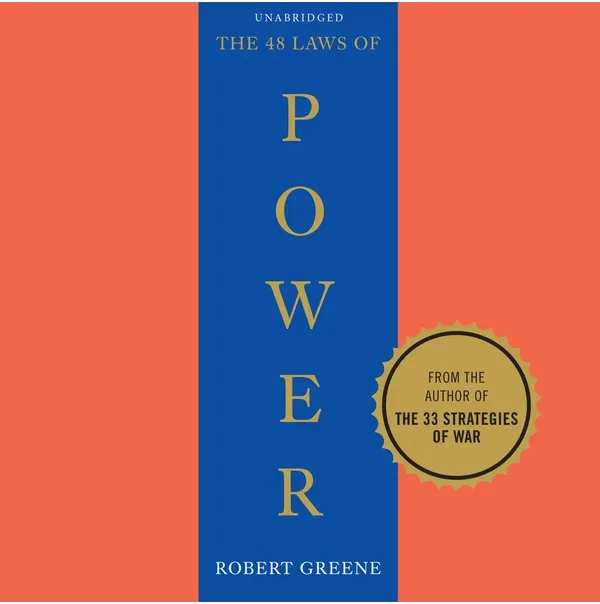
What is The 48 Laws of Power about?
A study of the amoral laws governing human power dynamics and systems.
Who should read The 48 Laws of Power?
Navigators of complex corporate and social systems.
Key ideas from The 48 Laws of Power
- Never outshine the master
- Conceal your intentions
- Play on people's need to believe.
Is The 48 Laws of Power worth reading?
A tactical map for defensive navigation, to be read with extreme caution.
Best for
Anyone entering organizations where politics run beneath the org chart and wants to see the moves coming.
Not ideal for
The ethically squeamish, or anyone hoping for a leadership book, Greene refuses to moralize and that is the point.
What materially matters
- Forty-eight laws, each with observance and transgression stories, history as lab notebook.
- Reversal sections flag where each law flips depending on your situation.
- Court-warfare sources from Machiavelli to Sun Tzu, compressed into usable lines.
Practical use cases
- Decode a political situation at work: find which law someone is running on you.
- Write sharper conflict into storytelling, the laws are character engines.
Pros
- Uncompromising clarity about how power actually moves in organizations.
- Ruthlessly quotable, each law compresses to a line you remember under stress.
Limitations
- Zero ethical framing, deliberately.
- Laws contradict each other by design; the book demands you do the judgment work.
The 48 Laws of Power FAQ
Is The 48 Laws of Power evil?
It is descriptive, not prescriptive, the ethics are yours to add, which is exactly why it should be read carefully.
Which laws matter most for creators?
The reputation cluster, laws 5, 6, and 36, because attention compounds reputation in both directions.
Continue · Strategy