There was a version of the internet that existed before the feed. Before the algorithm. Before every click became a data point sold to the highest bidder.
It wasn’t better in every way. But it was yours.
The homepage era.
You had a homepage. Not a profile. A homepage. You built it yourself. Bad HTML. Broken images. A visitor counter at the bottom that made you feel like a celebrity when it hit triple digits. Nobody optimized it for engagement because engagement wasn’t a metric yet.
The internet was a place you went. Not a place that followed you.
The forum era.
Communities existed before platforms monetized them. You found a forum about the thing you cared about. The same 200 people showed up every day. No algorithm decided who you saw. No ads between posts. No influencers. Just people talking about something they all liked.
Your reputation was built over months of useful contributions. Not over one viral moment.
The blog era.
People wrote because they had something to say. Not because they had something to sell. RSS feeds delivered content you chose to subscribe to. No algorithm filtered it. No platform throttled it. You followed someone and you actually saw their posts. Every time.
The creator and the audience had a direct line. Nothing sat between them extracting value.
Then the feed happened.
Chronological became algorithmic. Homepages became profiles. Forums became groups owned by platforms. Blogs became posts inside walled gardens. RSS died because it couldn’t be monetized.
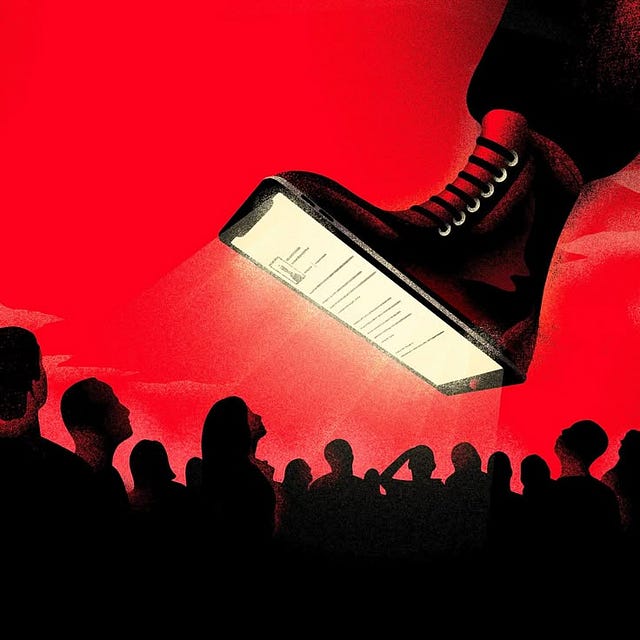
The internet stopped being a place you visited and became a place that harvested you.
Every scroll, click, pause, and hesitation became a signal. That signal became a profile. That profile became a product. That product got sold to advertisers who used it to sell things back to you.
You didn’t notice the shift because it happened slowly. And because the new version was free. The price just wasn’t money.
The current era.
Now your content trains AI models. Your attention funds ad networks. Your data builds profiles you’ll never see. Your creativity gets recycled into a system designed to keep you consuming, not creating.
The internet didn’t change overnight. It changed one feature update at a time. Each one making the experience slightly more addictive and the user slightly more profitable.
The next era.
The tools to rebuild what was lost already exist. Owned domains. Decentralized identity. Open protocols. Community platforms without extraction. Blockchain verified content.
The early internet wasn’t perfect. But the principle was right. The internet should be a place that serves people. Not a place that processes them.
That principle is available again. The technology is better this time.
The question is whether enough people remember what the internet was supposed to be.
And whether they’re willing to build it again.