My take
A reminder that mastering the 'true name' of things is the ultimate form of high-level code.
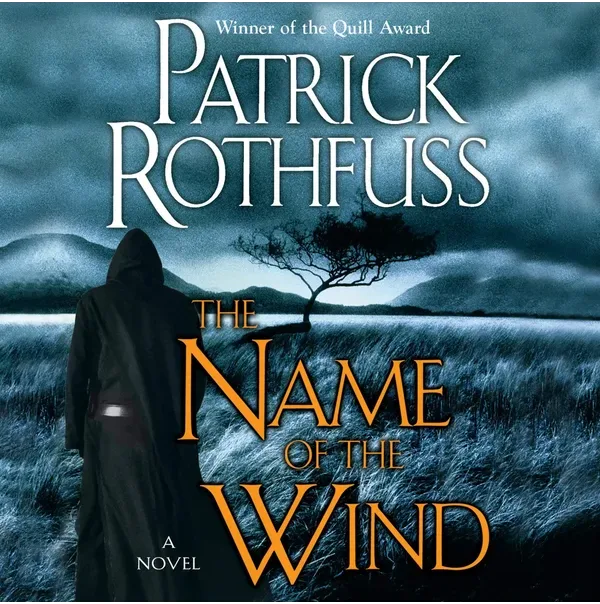
What is The Name of the Wind about?
The science of magic and the profound power of understanding true names.
Who should read The Name of the Wind?
Abstract thinkers, storytellers, and coding poets.
Key ideas from The Name of the Wind
- Names have power
- Mastery requires total focus
- Legend is built through storytelling.
Is The Name of the Wind worth reading?
A fantasy-based reminder that mastering the 'true name' of a system is ultimate code.
Best for
Builders, engineers, and autodidacts who think in systems and want fiction that mirrors the obsession of mastery.
Not ideal for
Readers who need plot resolution, this is book one of an unfinished trilogy and it ends on a reframing, not an ending.
What materially matters
- The University arc: first-principles learning, debt, and the politics of institutions.
- The frame narrative: an unreliable legend narrating himself, a masterclass in voice.
- Naming as mastery, the metaphor that gave a generation of engineers its vocabulary.
Practical use cases
- Recharge curiosity when technical work has become mechanical, read a chapter, then go build.
- Gift to a young builder: it romanticizes learning and self-education like nothing else.
Pros
- Prose quality far above genre standard; quotable without being purple.
- Genuinely useful emotional calibration for ambitious people: pride, poverty, and reputational risk.
Limitations
- Book three, The Doors of Stone, remains unpublished more than a decade later.
- Heavy volume, you are committing to 660+ pages of setup.
The Name of the Wind FAQ
Is the trilogy finished?
No, The Doors of Stone has no publication date; read book one knowing that upfront.
Why is a fantasy novel in a tech vault?
Because its subject is learning itself, curiosity, mentorship, obsession, and cost, the same themes as every nonfiction entry here, made visceral.